

glass reflective coating
How to Effectively Turn Off a Water Valve A Comprehensive Guide Water is an essential resource in our daily lives, but situations may arise when it is necessary to turn off the water supply to prevent leaks, undertake repairs, or manage emergencies. Understanding how to turn off your water valve is critical, and this guide will provide comprehensive steps to do so effectively. Understanding Water Valves Before diving into the methods for turning off a water valve, it's important to understand the different types of valves you may encounter in your home. The two primary types are 1. Main Water Valve This valve controls the entire water supply to your home. It is typically located close to where the water line enters your house, often found in the basement or the crawlspace. 2. Individual Fixture Valves These valves are located near specific fixtures, such as sinks, toilets, and washing machines. They allow you to turn off the water supply to a specific area without affecting the rest of the house. When to Turn Off the Water Valve There are several scenarios in which you would need to turn off your water supply. These include - Preventing Flooding If you discover a significant leak, turning off the main valve can help minimize water damage. - Performing Repairs Whether you’re fixing a leaky faucet or replacing a toilet, shutting off the water supply is a crucial safety step. - Winterization In colder months, turning off the valve can prevent pipes from freezing and bursting. turn off water valve Steps to Turn Off the Water Valve 1. Locate the Valve - If you need to turn off the main water valve, look for a round or oval-shaped handle near the point where the water enters your home. The valve may be made of brass, PVC, or steel. - For individual fixture valves, they are usually found directly behind or underneath the fixture. 2. Prepare the Area - Before turning off any valve, clear the area around it. Make sure you have enough space to work, and keep a towel nearby in case of spills. 3. Turn Off the Valve - For a gate valve (which has a round handle), turn the handle clockwise until it stops. This is the traditional way of closing a water valve. - For a ball valve (which has a lever), turn the lever 90 degrees so it is perpendicular to the pipe. This should effectively shut off the water supply. 4. Check for Water Flow - After turning off the valve, turn on a tap at the highest point in your home, such as a bathroom sink. Let it run until it’s clear of water. Then, check a tap at the lowest point, like a basement sink. This process ensures all water pressure is relieved from the pipes. 5. Perform Your Task - Whether you are making repairs, checking for leaks, or winterizing, carry out your task confidently knowing the water is turned off. 6. Turning the Water Back On - Once your work is complete, you can restore the water supply by reversing the steps. Turn the valve counterclockwise for a gate valve or bring the lever back to its original position on a ball valve. Again, check for any leaks after the water supply is restored. Conclusion Knowing how to turn off a water valve can save you from dealing with significant damage and costly repairs. Regular checks and maintenance of your valves can also ensure they function correctly when you need them most. Be sure to familiarize yourself with both your main and individual fixture valves; preparedness is key in managing the waterways of your home! Remember, timely action and proper techniques are essential to maintain the integrity of your plumbing system.
about
glass reflective coating
How to Close the Water Valve A Step-by-Step Guide Closing a water valve is a crucial skill for homeowners and renters alike. Whether you are tackling a plumbing issue, preparing for maintenance, or simply trying to conserve water, knowing how to properly shut off your water supply is essential. This article will guide you through the steps necessary to close a water valve safely and effectively. Why You Might Need to Close the Water Valve There are several scenarios in which you may need to close your water valve. Common reasons include 1. Plumbing Repairs If you are fixing a leaky faucet, changing out a toilet, or repairing pipes, it’s important to close the valve to prevent water from flowing and creating a mess. 2. Emergencies In the event of a burst pipe or severe leak, turning off the water can help minimize damage to your home. 3. Seasonal Maintenance For those living in colder climates, it may be necessary to shut off the water to outdoor faucets to prevent freezing and cracking during winter. Identifying Your Water Valves Before you can close a water valve, you need to know where they are located. There are usually two types of valves in a typical household 1. Main Shut-off Valve This valve controls the water supply to your entire home. It is typically located near the water meter or where the main water line enters your house. 2. Individual Shut-off Valves These valves control the water supply to specific fixtures, such as sinks, toilets, and appliances. They are usually located close to the fixture they serve. Step-by-Step Instructions to Close the Water Valve Now that you are familiar with the types of valves, here is how to close them how to close the water valve 1. Gather Necessary Tools You may not need any tools for most valves since they can often be operated by hand. However, having a wrench or pliers nearby can be helpful for more stubborn valves. 2. Locate the Valve Find the appropriate valve that you need to close. If it's the main shut-off valve, look for a round wheel or a lever. For individual fixtures, check under the sink, behind the toilet, or near appliances. 3. Turn Off the Valve - For a Round Wheel Valve Turn the handle clockwise (right) to close it. You may need to use some force if it hasn’t been turned in a while. - For a Lever Valve Switch the lever 90 degrees to the right (or perpendicular to the pipe) to shut off the water. 4. Test the Valve Once closed, turn on a faucet connected to the same line to check if water is still running. If it stops, you've successfully closed the valve. 5. Address Any Issues If the valve is leaking or difficult to turn, you may need to consult a plumber to avoid any complications. Do not force a valve that is stuck, as this could cause damage. Conclusion Knowing how to close the water valve is an important home maintenance skill. Whether you are performing repairs, tackling leaks, or mobilizing for seasonal changes, securely shutting off your water supply helps protect your property, save water, and mitigate potential damage. Always remember to check your valves periodically to ensure they remain in good working condition. With these steps, you will be well-equipped to manage your water supply efficiently.
-

High quality industrial productsagement

High quality industrial products
View Details -

Meet the diverse needs of customers

Meet the diverse needs of customers
View Details -

Strict quality control

Strict quality control
View Details -

Top raw materials

Top raw materials
View Details -

Trusted supplier

Trusted supplier
View Details
Our application


news and information
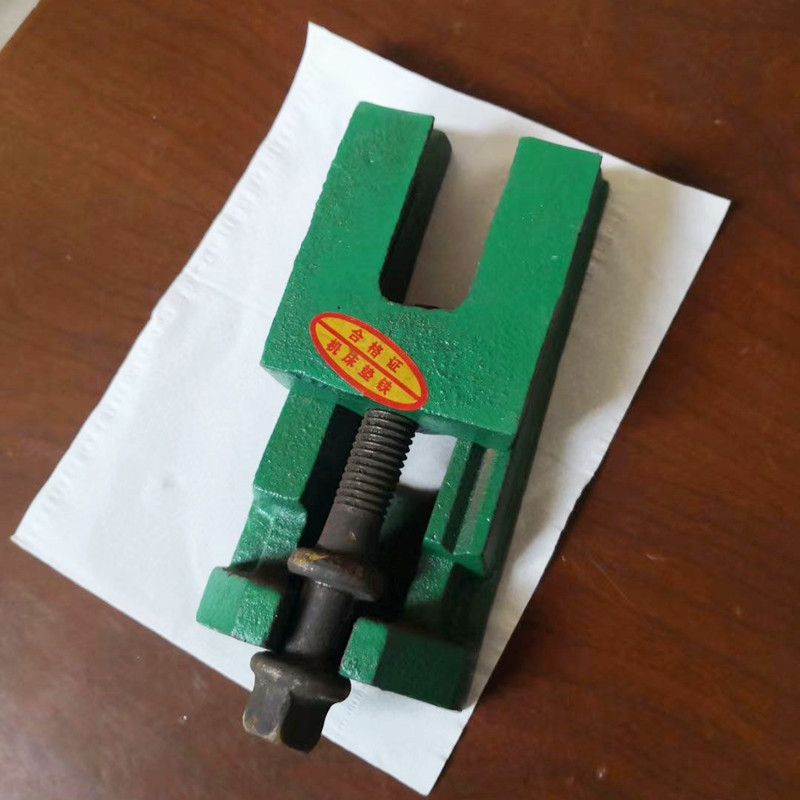
Valve Selection Guide for Industrial Applications
As a leading wholesaler in industrial equipment, Storaen (Cangzhou) International Trading Co. unders

Using Ring Gauge for Precision Measurements in Quality Control Testing
The Importance of Ring Gauges in Quality Control In the world of manufacturing and engineering, prec
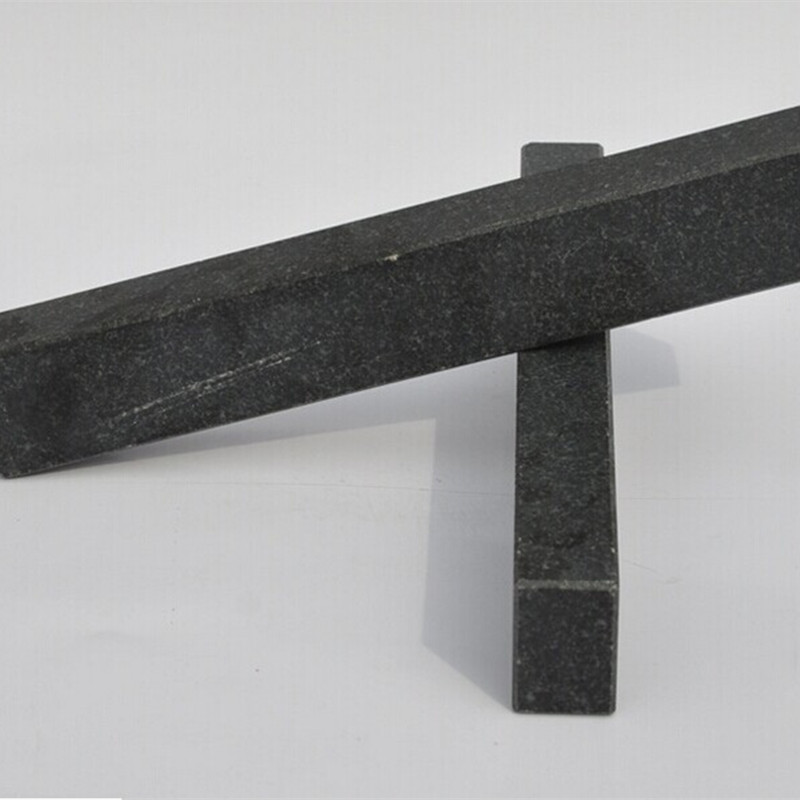
Versatile Right Angle Ruler for Precise Sewing Measurements and Crafting Precision Techniques
The Essential Right Angle Ruler for Sewing A Must-Have Tool for Every Seamstress Sewing is an art th
 English